
Every year, hundreds of thousands of young Kenyans finish school, college, or university and go looking for work. Far too many find nothing. They sell airtime, drive boda bodas, or wait for a chance that never comes. This is not a lack of talent or effort. The economy simply isn’t producing enough jobs.
Kenya has tried many fixes, but one idea keeps coming back: build things. Grow industry, but do it in a way that fits the modern world.
What is an “industrial revolution,” and why again?
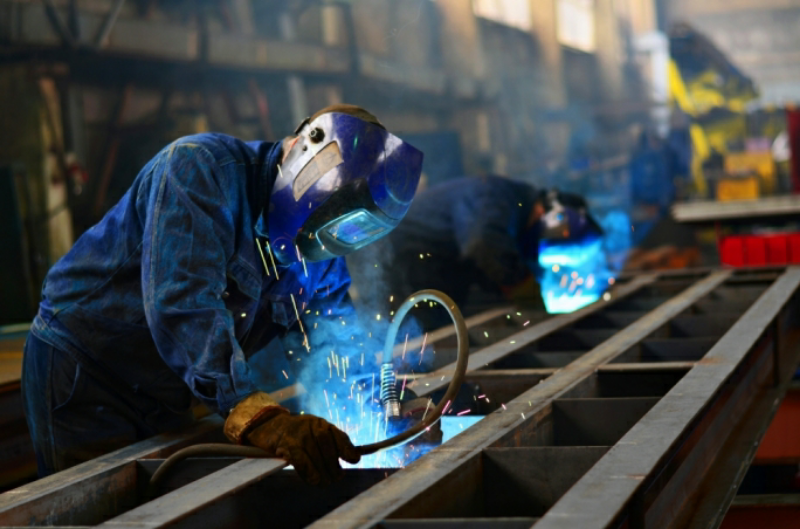
Long ago, countries like Britain, Germany, and later South Korea grew rich by building factories. Factories hire many people, from machine operators and drivers to accountants and cleaners. They also create jobs around them: transport, food vendors, repair shops, suppliers.
Kenya never fully went through this stage. Manufacturing makes up only around 7 to 8 percent of the economy, and much of what we sell abroad is raw: tea, coffee, flowers, minerals. Much of what we buy is finished, from phones and cooking oil to steel and medicine. We sell the ingredients cheaply and buy the meal at a high price.
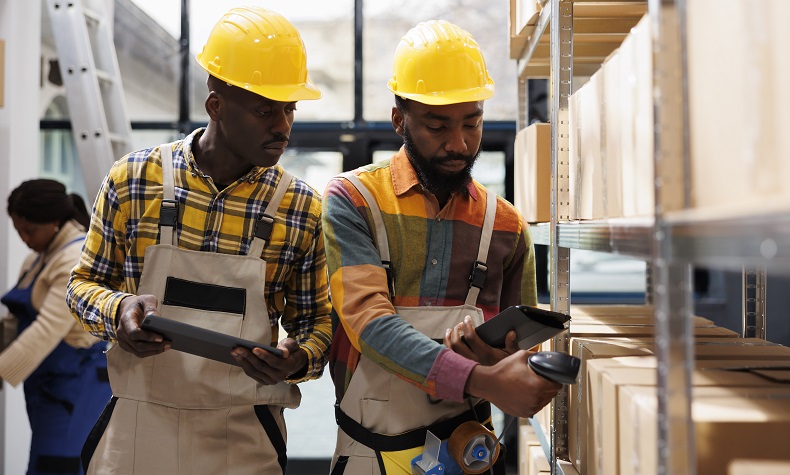
A new industrial revolution means changing that: making more here, processing more here, and keeping more of the value here.
Technology is the shortcut, not the enemy
Some people fear that machines and artificial intelligence (AI) will take jobs. That is a fair worry, but Kenya has a chance to use technology to leap forward, not just watch it happen elsewhere.
We have done it before. M-Pesa turned a basic phone into a bank and changed how the world thinks about mobile money. That came from Kenya, not from a wealthy country.
Modern technology can help a small factory in Nakuru or Kisumu compete with much bigger ones abroad. AI can help farmers predict weather and reduce waste, help factories catch defects before products leave the line, and help small businesses manage stock and find customers. Cheaper tools mean you no longer need millions of dollars to start.
The key is training people to use these tools. A young person who can run a modern machine, fix it, or write the software behind it is far more employable than one who has no such skills. Investing in technical colleges and practical training, not only university degrees, is central to this plan.
Our Natural Resources must work for us
Kenya has valuable resources: Tea, coffee, titanium in Kwale, soda ash at Lake Magadi, gold, fluorspar, and more, along with geothermal energy in the Rift Valley. By the way what happened to oil in Turkana? Anyway, these are national assets, and once a mineral is dug up and shipped away, it is gone. When we sell unprocessed coffee or tea, it’s a loss for us.
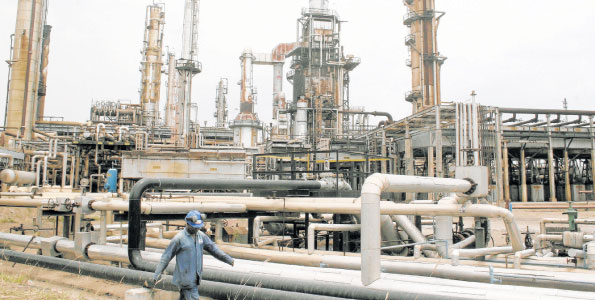
The problem is not mining itself, or even agriculture itself. The problem is when we export raw minerals and materials we are letting others do the processing, where the profits and the jobs are. Selling crude oil or unprocessed tea or coffee is like selling a sack of wheat when we could be selling bread.
Protecting natural resources means several things:
- Clear, fair rules that ensure communities near mines benefit through jobs, roads, schools, and clean water
- Transparency, so citizens can see who is getting licenses and what is being paid
- Processing at home where possible, so that refining and manufacturing happen in Kenya
- Protecting the environment, so today’s mining doesn’t destroy tomorrow’s farmland and water
Other countries have shown it can work. Indonesia, for example, restricted exports of raw nickel and pushed companies to process it locally, which brought in new factories and investment.
Partnerships that give Kenya a fair deal
Kenya cannot do this alone. We need investment, technology, and access to global markets, and many countries and companies are eager to partner with us. But a partnership is only good if both sides win.
A good deal for Kenya has some clear features:
- Local jobs, including skilled and management roles, not only labour
- Skills and technology transfer, so Kenyans learn to run and eventually own the operations
- Local suppliers, so Kenyan businesses are part of the chain
- Fair contracts that are public, with no secret terms
- Processing done here, not only extraction
Kenya should also strengthen trade with its neighbours through the East African Community and the African Continental Free Trade Area. A factory in Kenya could serve not 55 million people but well over a billion across Africa.
What this means for ordinary people
If this works, the effects show up in everyday life: a young graduate finds a job near home rather than migrating abroad, a small workshop grows into a business with 50 employees, a farmer sells to a local processor at a better price, and a family sees prices fall because goods are made nearby.
Jobs are what turn a growing population from a burden into a strength. Kenya has one of the youngest populations in the world. Handled well, that is a great advantage.
The road ahead
None of this happens by accident. It needs steady electricity at fair prices, good roads and ports, honest institutions, and leaders who put national interest first. It needs schools that teach useful skills, and it needs citizens who ask questions and demand accountability.
But the direction is clear: make more, process more, use modern tools, protect what we own, and partner on fair terms. That is how a country turns potential into prosperity.
