
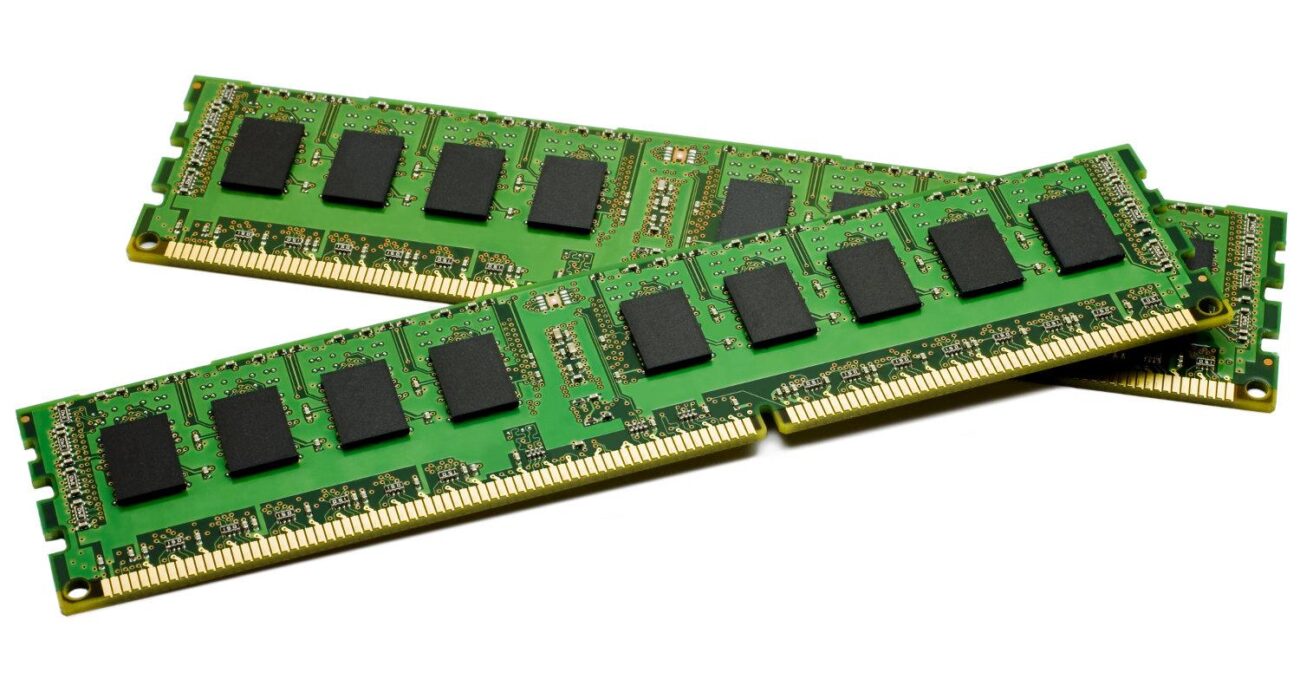
If you have tried shopping for a memory upgrade or pricing out a new PC build recently, you have likely experienced severe sticker shock. RAM prices are soaring globally, turning what used to be one of the most affordable components of a computer into a major budget breaker.
This isn’t a standard, cyclical market fluctuation. The global semiconductor industry is undergoing a massive structural shift, and standard consumer memory is paying the price. Here is a deep dive into the primary forces driving up RAM costs and why relief won’t be coming anytime soon.
1. The Insatiable Appetite of AI Data Centers
The single biggest catalyst for the current price surge is the artificial intelligence boom. Training and running massive Large Language Models (LLMs)—like ChatGPT, Gemini, and DeepSeek—requires an unprecedented amount of high-speed memory.
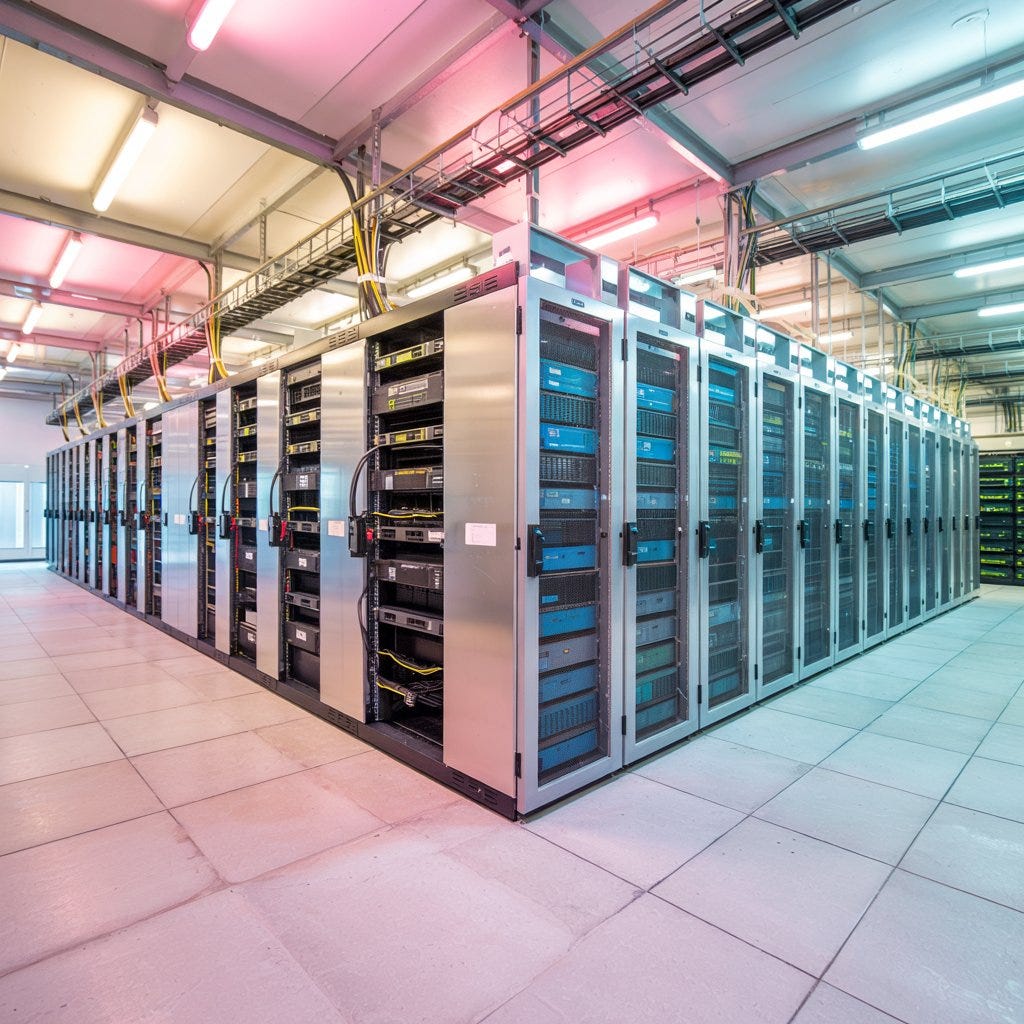
A single enterprise AI server can absorb more memory than dozens of high-end consumer PCs combined. Because AI companies are scaling up data centers at a breakneck pace, their demand for memory has effectively swallowed the global supply chain.
2. Manufacturers Abandon Consumer Tech for HBM
There are only three major players that control the vast majority of the world’s DRAM production: Samsung, SK Hynix, and Micron. To capture the lucrative AI market, these manufacturing giants have aggressively shifted their production priorities.
Instead of manufacturing standard consumer DDR4 and DDR5 memory sticks, fabrication plants (fabs) are being re-tooled to produce High Bandwidth Memory (HBM) and enterprise-grade server RAM. HBM yields much higher profit margins for manufacturers, leaving consumer-facing assembly lines starved for raw wafers. The shift is so severe that some legacy brands have pulled back significantly; Micron, for example, entirely exited its popular consumer-facing Crucial graphics memory business to focus on enterprise hardware.
3. Big Tech is Locking Up Supply Until 2026
Compounding the manufacturing shift is the aggressive buying behavior of hyperscalers and Big Tech firms. Companies building AI infrastructure are not just buying what is currently available; they are securing massive bulk contracts and forward commitments.
Reports indicate that a staggering portion of global wafer allocation and premium memory production output has been pre-purchased and locked up through 2026. With tech giants willing to pay premium prices to secure their AI roadmaps, average consumers are left fighting over the remaining scraps of production capacity.
4. The Legacy DDR4 Extinction Event
For users looking to sustain older systems, the situation is uniquely painful. Manufacturers are actively winding down DDR4 production lines to make room for newer architectures. This intentional reduction in legacy supply has created acute shortages for older setups. Paradoxically, this means older DDR4 kits are occasionally holding their value—or even jumping in price—matching the trajectories of newer DDR5 tech.
5. The Ripple Effect Across All Gadgets
This memory crunch isn’t contained to DIY PC builders. Because DRAM chips are foundational to almost all modern electronics, the pricing pressure is rippling across the entire tech ecosystem:
• Pre-built Desktops & Laptops: Manufacturers are quietly raising base prices or reducing the default configuration (e.g., offering 8GB instead of 16GB at standard price points).
• Smartphones & Tablets: Modern mobile devices require increasingly advanced LPDDR5 memory, meaning your next phone upgrade will likely carry a higher premium.
• Single-Board Computers: Even hobbyist tech like single-board computers and IoT devices are facing tighter margins and manufacturing delays.
When Will Prices Drop?
Building a new semiconductor fab requires billions of dollars and several years of construction. While manufacturers are investing heavily in expanding capacity, those facilities will not affect the market immediately.
With institutional AI demand locked in for the foreseeable future, high RAM prices are the new normal heading into the mid-2020s. If you need to upgrade your system, the best strategy is to look for sales on existing retail stock, consider reputable secondhand hardware, or buy only the exact capacity you need today, saving the maximum expansion slots for a later date.
